


Get Back to Living Pain-Free
Board-certified interventional pain specialist serving New Jersey for nearly 30 years — personalized, minimally invasive care designed to help patients avoid surgery whenever possible.
Endoscopic Lumbar Discectomy: A Breakthrough in Spine Surgery
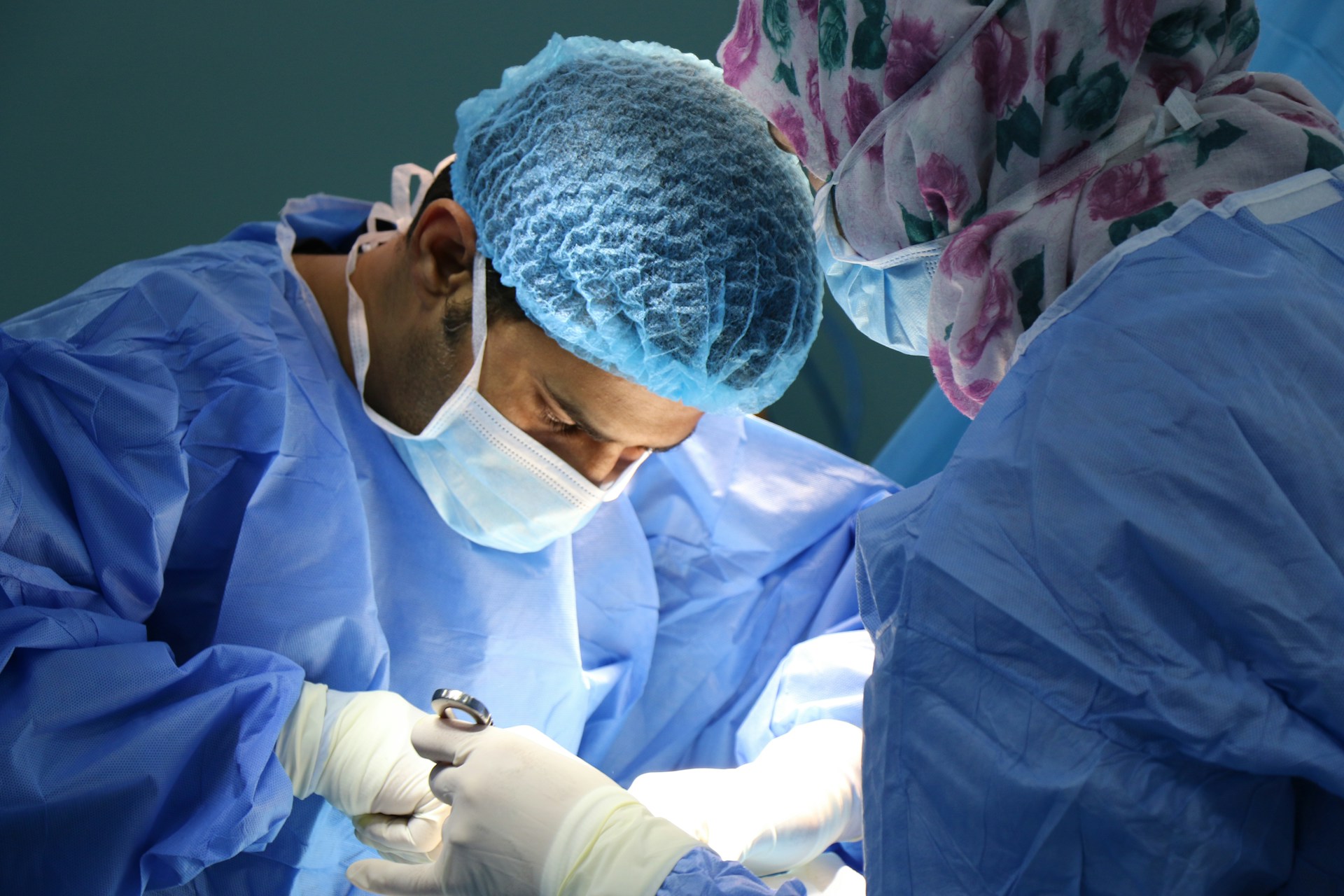
What if chronic back pain could be treated with a procedure that avoids large incisions and long recovery times? That is exactly where endoscopic lumbar discectomy is changing the conversation around spine care.
For patients dealing with persistent lower back pain, nerve compression, or disc herniation, this minimally invasive procedure offers a modern alternative to traditional spine surgery. At Garden State Pain Management, with locations in Clifton and Elizabeth and serving all of North Jersey, patients are finding real relief through advanced interventional techniques guided by experienced pain management specialists.
This article explains what endoscopic lumbar discectomy is, how it works, why it matters, and what patients should expect before considering treatment.
What is an Endoscopic Lumbar Discectomy?
Endoscopic lumbar discectomy is a minimally invasive spine procedure used to remove portions of a herniated or damaged disc in the lower back that are pressing on spinal nerves. In simple terms, it helps relieve nerve pain caused by a “slipped” or bulging disc without the need for traditional open back surgery.
Unlike conventional surgery, this approach uses a small incision and a specialized camera called an endoscope. This allows a pain management specialist to directly visualize and treat the affected area with precision while minimizing disruption to surrounding muscles and tissue.
Patients often consider this option when conservative treatments like physical therapy, injections, or medication no longer provide relief.
How Does Endoscopic Lumbar Discectomy Work?
The endoscopic lumbar discectomy procedure is designed to be precise, efficient, and less disruptive to the body than traditional surgery.
First, the patient is placed under local or light anesthesia depending on the case. A small incision, usually less than one centimeter, is made near the affected area of the spine. Through this opening, a thin tube with a camera is inserted.
Step-by-step overview of the process:
- The endoscope provides real-time imaging of the spine on a monitor.
- Specialized surgical instruments are guided through the same small channel.
- The herniated disc material pressing on the nerve is carefully removed.
- The instruments are withdrawn, and the small incision is closed with minimal suturing.
Because the procedure avoids large incisions and muscle stripping, patients typically experience less postoperative pain and a faster return to daily activity. Many individuals return home the same day under the supervision of a pain management specialist.
Why Is Endoscopic Lumbar Discectomy Important?
The rise of endoscopic lumbar discectomy reflects a broader shift in modern medicine toward minimally invasive, patient-centered care. Traditionally, spine surgery required significant muscle dissection and longer hospital stays. While effective, these procedures often came with extended recovery times and higher risks of complications.
Today, advancements in imaging and surgical technology have made it possible to target spinal issues more precisely. This is especially important for patients seeking alternatives to prolonged opioid use or invasive surgery.
From a clinical perspective, organizations such as the North American Spine Society recognize minimally invasive spine procedures as valuable options when appropriately selected. These approaches reduce tissue trauma and support faster rehabilitation when performed by experienced specialists. For patients, this means fewer disruptions to work, family life, and overall mobility.
Benefits of Endoscopic Lumbar Discectomy
One of the main reasons patients consider endoscopic lumbar discectomy is its combination of precision, comfort, and faster recovery compared to traditional spine surgery.
- Smaller incision and minimal scarring – The procedure uses a tiny entry point, which reduces visible scarring and lowers the risk of tissue damage.
- Less postoperative pain – Because surrounding muscles and tissues are preserved, patients often experience significantly less pain after surgery.
- Faster recovery time – Many patients are able to return to light daily activities within days instead of weeks, depending on their condition.
- Lower risk of complications – Reduced tissue disruption can lead to fewer risks such as infection or excessive bleeding.
- Outpatient procedure in many cases – Patients are often able to return home the same day under the care of a qualified pain management specialist.
- Improved mobility and function – By relieving nerve compression, patients frequently experience better movement and reduced radiating leg pain.
At Garden State Pain Management, these outcomes are achieved through a careful, individualized approach that prioritizes both safety and long-term spinal health for patients across North Jersey.
How to Choose the Right Treatment Approach
Deciding whether endoscopic lumbar discectomy is appropriate depends on several clinical factors. Not every patient with back pain is a candidate, which is why evaluation by a qualified specialist is essential.
A pain management specialist will typically review imaging studies such as MRI scans, assess symptom severity, and determine whether conservative treatments have been fully explored.
Patients should consider providers who offer a full spectrum of care, including diagnostic evaluation, interventional procedures, and rehabilitation support. This ensures that treatment is tailored rather than one-size-fits-all.
Frequently Asked Questions
Can this procedure be repeated if symptoms return?
In some cases, yes. However, recurrence depends on the underlying spinal condition and lifestyle factors. A follow-up evaluation with a specialist is necessary to determine the best next step if symptoms reappear.
How soon will I know if the procedure worked?
Some patients notice improvement almost immediately, while others experience gradual relief over several days as inflammation decreases and nerves begin to recover.
What type of anesthesia is used during the procedure?
This is often performed using local anesthesia with sedation, rather than full general anesthesia. This allows for a safer procedure and quicker post-procedure recovery for many patients.
A Modern Path Toward Lasting Back Pain Relief
Endoscopic lumbar discectomy represents a significant advancement in spine care, offering patients a minimally invasive solution for chronic back and nerve pain. With smaller incisions, reduced recovery time, and targeted precision, it continues to reshape how disc-related conditions are treated.
At Garden State Pain Management, patients across Clifton, Elizabeth, and all of North Jersey have access to experienced specialists who focus on restoring function and improving quality of life through modern, evidence-based care.
If you are struggling with persistent back pain or have been told you may need spine surgery, it may be time to explore whether this minimally invasive option is right for you.


