

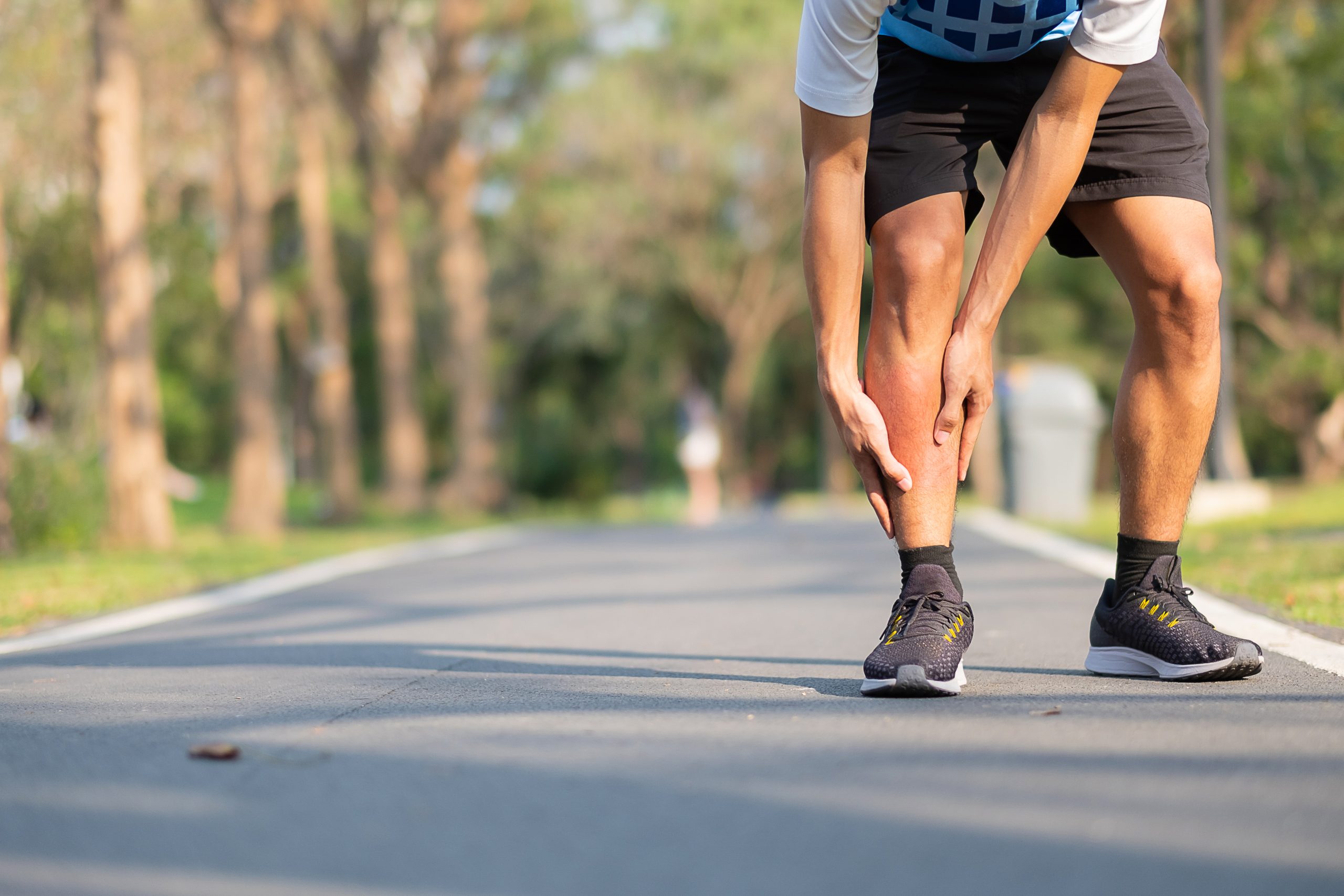
Your legs shouldn’t feel like dead weight by 3 PM. If they do, if they’re swollen, achy, or just plain exhausted, you might assume it’s normal aging or the price of being on your feet all day. But there’s often something more going on: damaged veins that aren’t doing their job anymore. And the relief you’re looking for?
It’s more accessible than you’d think, thanks to varicose veins treatment in NJ that doesn’t involve major surgery.
Understanding Vein Conditions and Poor Circulation
Think of your leg veins like a highway system with one-way gates. These tiny valves push blood back up toward your heart, fighting gravity at every step. When the valves wear out or fail, blood starts pooling in your legs instead of returning to your heart.
That’s venous insufficiency, and it’s surprisingly common; more than 40 million Americans deal with it and require spider veins treatment. The visual signs are those twisted, bulging varicose veins or web-like spider veins under your skin. But poor circulation in the legs causes more than cosmetic issues. Symptoms typically include leg pain that gets worse as the day goes on, ankle swelling, nighttime cramping, and changes in skin color or texture.
Sometimes these circulation problems interact with other conditions. Patients with lumbar disc issues sometimes find their leg symptoms are actually a combination of nerve compression and poor blood flow.
Why Treating Vein Problems Early Matters
Vein damage doesn’t fix itself. What starts as end-of-day discomfort can turn into constant pain that interferes with everything, work, exercise, and even basic errands. Skip treatment long enough, and the risks include venous ulcers, permanent skin discoloration, blood clots, and a higher risk of deep vein thrombosis. Getting leg pain treatment in NJ early stops these problems before they start.
Vein specialists in New Jersey see this pattern repeatedly: patients who wish they’d sought treatment sooner, because delaying only makes things harder. Protecting vascular health now saves trouble down the road.
Minimally Invasive Vein Treatment Options
The vein treatments available today are nothing like the old-school vein stripping surgery your grandparents might’ve had. Modern minimally invasive vein treatment means no hospital stay, no general anesthesia, and you’re back to your routine within days.
Endovenous Laser Therapy is probably the most popular option for larger varicose veins. This endovenous laser therapy in NJ works by threading a thin laser fiber into the problem vein. The laser heats and seals it shut. Your body reroutes blood through healthier veins, and the sealed vein just fades away over time. Success rates? Over 95%.
Sclerotherapy remains the go-to spider veins treatment. A solution gets injected directly into the vein, making it collapse and eventually disappear. No cuts, no anesthesia needed. Most people say it feels like any other injection, quick and tolerable.
Radiofrequency Ablation does essentially the same thing as laser therapy, but uses radiofrequency energy instead of laser light. Some patients prefer it because there tends to be even less bruising afterward.
Choosing the right approach matters. During an expert vein treatment consultation, our pain specialist will perform an ultrasound to see exactly what’s happening with the veins and determine which spider veins treatment makes the most sense for each patient.
What to Expect During and After Treatment
Plan on 30 to 60 minutes for the actual procedure. You’ll be awake the whole time, just numbed up with local anesthesia. Most patients describe a warm sensation or mild pressure, not actual pain.
Afterward, you walk out on your own two feet and go home. Plenty of people are back at their desk jobs the next day. Normal activities resume within a couple of days, though you’ll want to hold off on intense exercise for a week or so. You might need to wear compression stockings after your spider vein treatment briefly while everything heals.
How to Maintain Healthy Circulation Post-Treatment
Getting your veins fixed is step one. Keeping them healthy requires some ongoing attention to your vascular health. Walking regularly does wonders for leg circulation. Staying hydrated helps, too; your blood needs adequate fluid volume to flow properly. Compression stockings can provide extra support when you need them.
Other helpful habits: prop your legs up when you’re relaxing, don’t sit or stand in one position for hours on end, and keep your weight in a healthy range. Sometimes circulation problems show up in unexpected ways. Patients sometimes discover their sciatica symptoms improve once circulation issues are addressed.
FAQ: Vein Treatment and Circulation
What is the best spider vein treatment for leg pain?
It depends on what’s causing the pain. Larger varicose veins usually respond best to endovenous laser therapy or radiofrequency ablation. Smaller veins and spider veins? Which spider veins treatment works best? Sclerotherapy works great. Your doctor will recommend the right match after examining your specific situation.
How does laser vein therapy work?
A thin laser fiber gets inserted into the damaged vein. The laser energy heats the vein wall, causing it to seal shut. Your body automatically redirects blood through healthier veins nearby, and the closed vein gradually gets reabsorbed.
Are spider veins dangerous?
Usually not. They’re mostly a cosmetic concern. But they can signal underlying venous insufficiency, and some people do experience discomfort from them. Treating them can improve both how your legs look and how they feel.
How can I improve circulation in my legs?
Regular walking and leg exercises, maintaining a healthy weight, drinking enough water, elevating your legs periodically, using compression stockings if recommended, and avoiding long periods of sitting or standing all help. But if you’ve got actual vein disease, professional treatment will make the biggest difference.
One Step Away From Long-Term Comfort
Discover how vein specialists at Garden State Pain Management in New Jersey can help restore comfort and circulation. Schedule your consultation today and start moving toward healthier, more comfortable legs.


