


Get Back to Living Pain-Free
Board-certified interventional pain specialist serving New Jersey for nearly 30 years — personalized, minimally invasive care designed to help patients avoid surgery whenever possible.
When to See a Pain Specialist for Cervical Radiculopathy
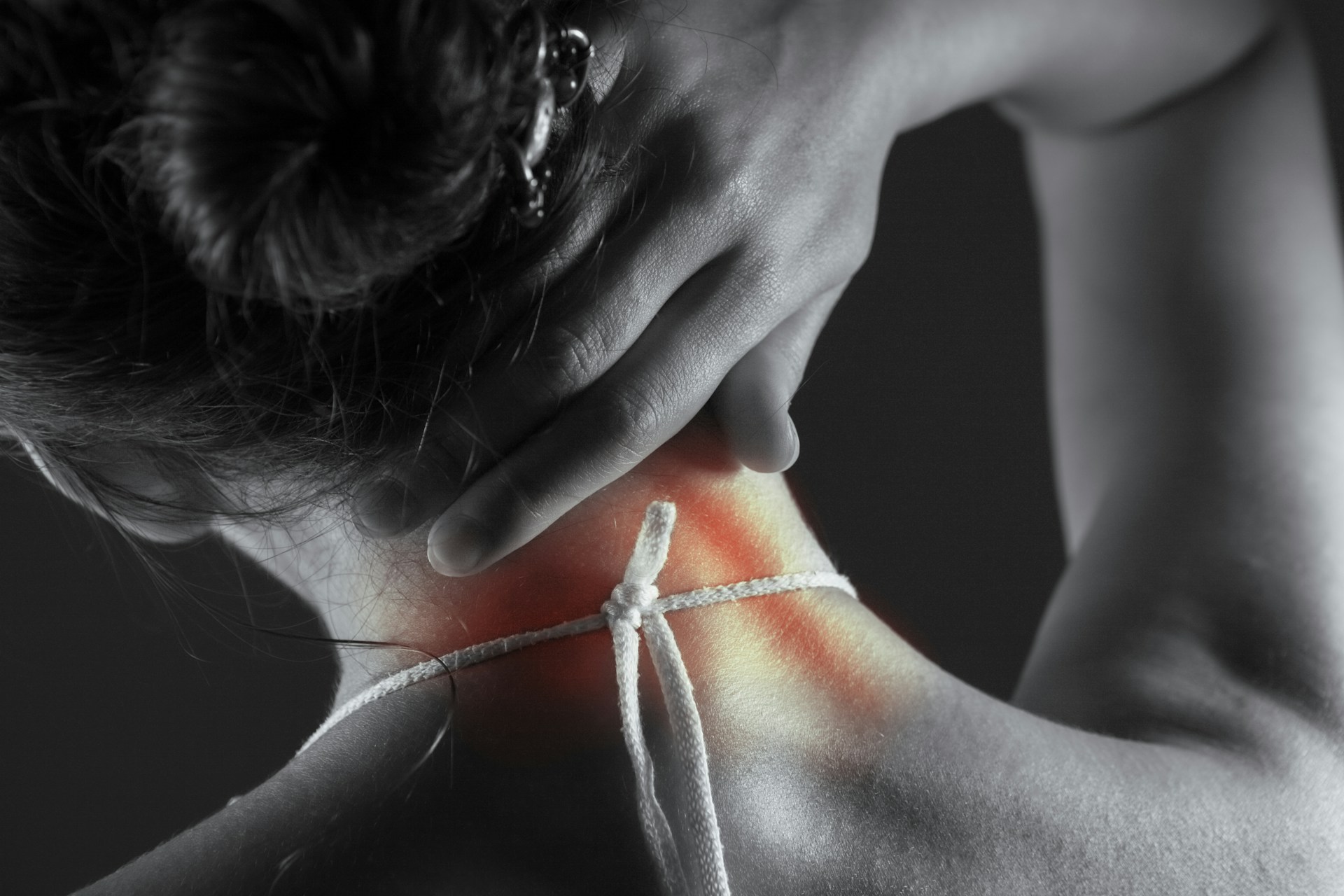
Have you ever felt sharp neck pain that shoots down your arm or causes tingling in your fingers that just won’t go away? If so, you may be dealing with cervical radiculopathy, a condition that can significantly impact daily comfort and mobility. Understanding when to seek cervical radiculopathy care is essential for preventing long-term nerve damage and finding lasting relief.
At Garden State Pain Management, patients across Clifton, Elizabeth, and throughout North Jersey receive expert evaluation and treatment from a trusted pain management specialist. This article explains what cervical radiculopathy is, when to seek care, and how specialized treatment can help restore quality of life.
Understanding Cervical Radiculopathy
Cervical radiculopathy care refers to the diagnosis and treatment of nerve irritation or compression in the cervical spine, which is the neck region of the spine. This condition occurs when a nerve root becomes pinched or inflamed, often due to a herniated disc, bone spur, or age-related spinal changes.
A common real-world example is someone who wakes up with neck stiffness that gradually turns into radiating pain down one arm. They may also notice weakness when gripping objects or a tingling sensation in the hand. These symptoms are not just muscle-related discomfort; they often indicate nerve involvement that requires professional cervical radiculopathy care.
Early evaluation by a pain management specialist is key to preventing symptoms from worsening and to restoring normal nerve function.
Step-by-Step Approach to Treating Cervical Nerve Pain
Effective cervical radiculopathy care involves identifying the root cause of nerve compression and developing a personalized treatment plan. At Garden State Pain Management, patients receive a comprehensive evaluation to determine the severity and source of their symptoms.
The process typically includes:
Step 1: Clinical Evaluation and Diagnosis
A pain management specialist reviews symptoms, medical history, and performs a physical examination. Imaging such as MRI or CT scans may be used to confirm nerve compression.
Step 2: Conservative Treatment Options
Most patients begin with non-surgical approaches such as physical therapy, medication, or targeted injections to reduce inflammation and pain.
Step 3: Advanced Pain Management Techniques
If symptoms persist, interventional procedures like epidural steroid injections or nerve blocks may be recommended to provide longer-lasting relief.
This structured approach ensures that cervical radiculopathy care is both targeted and effective, reducing the need for invasive procedures whenever possible.
Why Early Treatment for Cervical Radiculopathy Matters
Seeking timely cervical radiculopathy care is crucial because untreated nerve compression can lead to chronic pain, muscle weakness, and even permanent nerve damage. Patients often delay seeing a pain management specialist, assuming symptoms will resolve on their own. However, persistent nerve irritation typically worsens without treatment. At Garden State Pain Management, early diagnosis helps prevent complications and improve long-term spinal health outcomes.
Cervical radiculopathy care also plays a role in maintaining productivity and quality of life. Individuals experiencing ongoing neck and arm pain may struggle with work tasks, sleep, and daily activities. Proper treatment addresses not only pain but also functional limitations.
Benefits of Cervical Radiculopathy Care
High-quality cervical radiculopathy care offers both immediate and long-term benefits for patients dealing with nerve compression in the neck.
- Faster pain relief – Targeted treatments reduce inflammation and nerve irritation more efficiently than general self-care approaches.
- Improved mobility and function – Patients often regain strength and range of motion in the neck, shoulder, and arm.
- Prevention of chronic nerve damage – Early cervical radiculopathy care lowers the risk of long-term or permanent nerve issues.
- Personalized treatment plans – Care is tailored based on the exact cause and severity of nerve compression.
- Reduced reliance on medication – Interventional treatments may help minimize long-term use of pain medications.
- Better quality of life – Patients can return to work, sleep, and daily activities with less disruption from pain.
What to Look for in a Pain Management Specialist
Choosing the right provider for cervical radiculopathy care is an important step in achieving lasting relief. Patients seeking pain management in North Jersey should focus on experience, treatment options, and overall approach to care.
- Specialization in spine and nerve conditions – Look for a provider experienced specifically in cervical radiculopathy and related spinal disorders.
- Access to advanced treatment options – A strong clinic should offer injections, minimally invasive procedures, and comprehensive non-surgical care.
- Thorough diagnostic process – Accurate imaging and evaluation are essential for effective treatment planning.
- Patient-centered approach – The best specialists take time to understand symptoms, lifestyle, and long-term goals.
- Convenient locations and accessibility – Clinics in areas like Clifton and Elizabeth make ongoing care easier to maintain.
- Reputation and trust in the community – Consistent patient outcomes and experience matter when selecting a provider.
Frequently Asked Questions
How do I know if my pain is coming from a nerve or a muscle?
Nerve-related pain often includes tingling, numbness, or radiating sensations down the arm, while muscle pain is usually more localized and tender to touch. A specialist evaluation is the best way to confirm the cause.
Is it possible to combine multiple treatments at once?
Yes. In many cases, cervical radiculopathy care involves a combination approach to address pain, inflammation, and mobility together rather than relying on one method alone.
How do I know if I’m responding well to treatment?
Improvement is usually seen through reduced radiating pain, better neck mobility, and improved strength or sensation in the affected arm over time.
When to Take the Next Step
Cervical radiculopathy should never be ignored, especially when symptoms begin to interfere with daily life. Understanding when to seek cervical radiculopathy care can prevent long-term nerve damage and significantly improve quality of life.
If you are experiencing persistent neck pain, tingling, or arm weakness, it may be time to consult a pain management specialist. At Garden State Pain Management, patients in Clifton, Elizabeth, and across North Jersey receive expert, compassionate care tailored to their specific condition.
Early intervention is key. The sooner you seek care, the sooner you can return to living without pain.


